
Walking with a Poet-Guide — Oki Shrine and the World of Waka
“I am the new guardian of this island.
O wild winds and waves of the Sea of Oki,
now that I have arrived,
blow more gently and with due regard.”
This poem is said to have been composed by Emperor Go-Toba on board the ship carrying him into exile to Oki after his defeat in the Jōkyū War during the Kamakura period.
The poem is filled with the strength and dignity befitting an emperor. Yet beneath it, one can sense the loneliness and deep sorrow of a ruler banished from the capital and sent to a remote island in the open sea. According to legend, just before the imperial ship reached the island, the sea grew violently rough. However, when Emperor Go-Toba recited this poem, the storm immediately calmed and the waves became gentle. To this day, the poem remains special to the islanders and continues to be cherished and passed down through generations.
Such living legends still breathe on Nakanoshima Island in Ama Town, part of the Oki Islands. At the heart of the island stands Oki Shrine, dedicated to Emperor Go-Toba, who spent nineteen years here after his exile.
Stepping into the shrine grounds, the scent of the sea fades slightly, and the air grows clear and still. It is autumn. The leaves blaze with color, and the breeze brushing your cheeks quietly signals that winter is near.
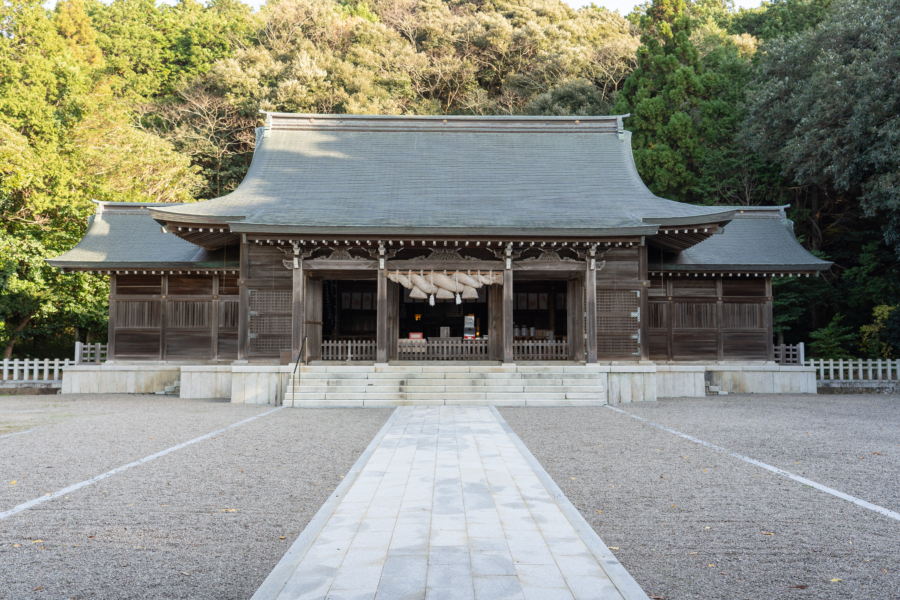
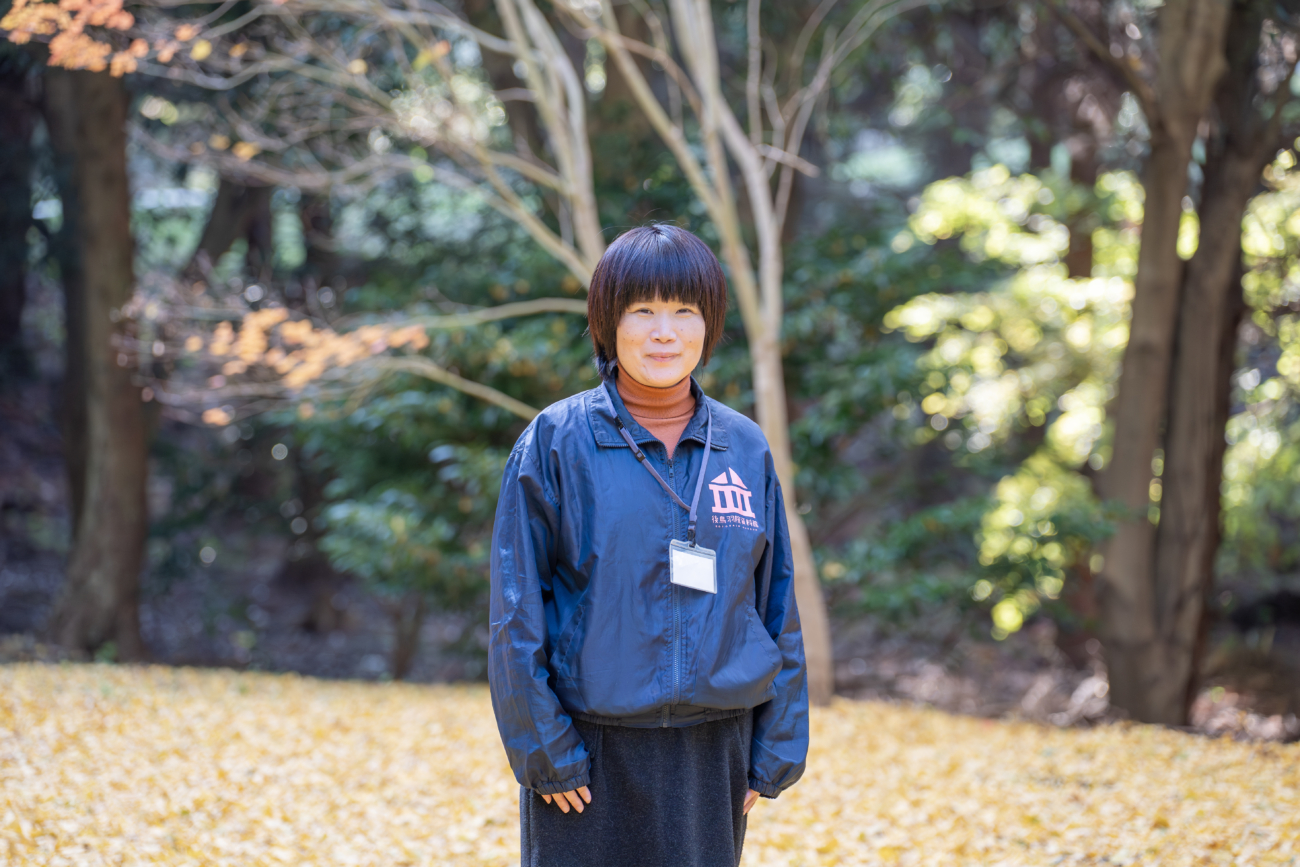
Near the torii gate of Oki Shrine stands Oki Ōfūsha Co., Ltd., where our guide, Mr. Sakakibara, welcomes us with a gentle smile. He is not merely a historical guide. Under the pen name “Yūsen,” he is also a poet. Alongside his guiding work, he continues to create poetry himself. He previously served as the secretariat for the “Oki Gotoba-in Grand Prize,” a nationwide competition inviting submissions of waka, tanka, and haiku, connecting poets from across Japan with this island through the art of verse.
For this feature, Mr. Sakakibara guided us around Oki Shrine and led us on a journey through the waka left behind by Emperor Go-Toba.
“All around Ama Town, you’ll find stone monuments and signboards engraved with poems. As you travel, you naturally encounter the Emperor’s waka in many places.”
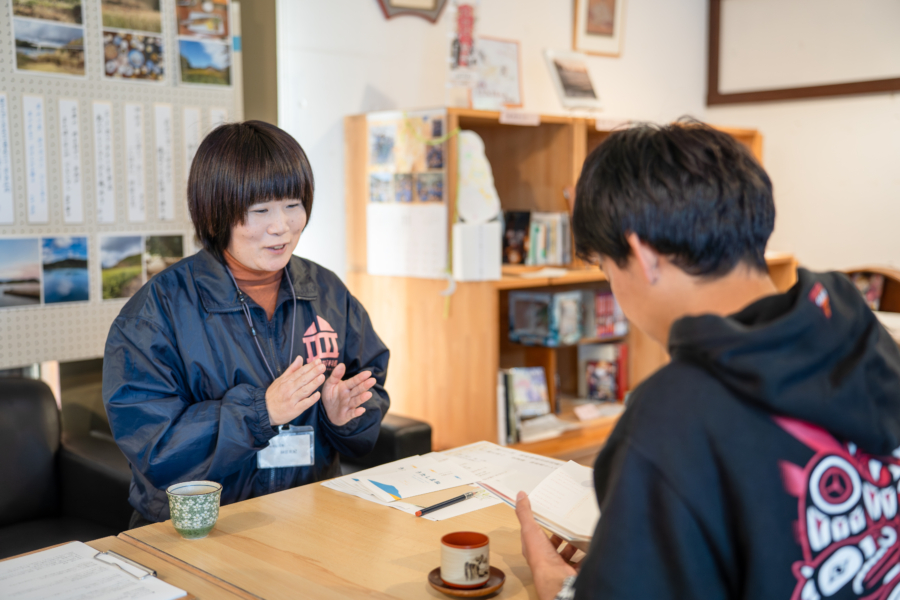
With a guidebook placed gently in our hands, his explanations begin. From the historical background of waka to the differences between waka and modern tanka, and even how to compose and enjoy them, he carefully unravels each concept so no listener feels left behind.
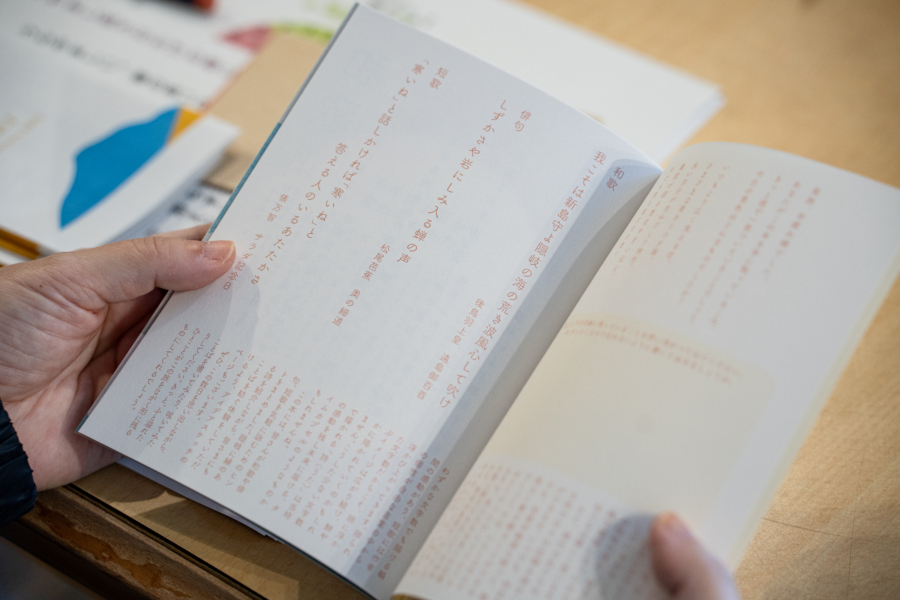
“Both waka and tanka follow a 5-7-5-7-7 syllabic pattern — thirty-one sounds in total. Waka is a poetic form that has continued for over a thousand years, traditionally using classical Japanese language. It often reflects the ancient calendar of the ‘Twenty-Four Solar Terms,’ with seasonal words specific to each time of year.
“Modern tanka, on the other hand, developed after the Meiji era. It follows the same thirty-one-syllable form but allows greater freedom. Loanwords, English terms, even contemporary expressions are acceptable. Unlike the strict conventions of classical waka, tanka allows us to express our present emotions and individuality in our own everyday language.”
Through this tour, Mr. Sakakibara hopes participants will not only view the scenery and learn about waka but eventually compose their own poem. There is no need to worry about skill. What matters most is enjoyment. That philosophy lies at the heart of his guiding style.
As we walk along the gravel path, our conversation returns to Emperor Go-Toba. A man accomplished in both martial and literary arts, he is especially known for his exceptional talent in poetry and for commissioning the compilation of the Shinkokin Wakashū, one of Japan’s three great waka anthologies alongside the Man’yōshū and Kokin Wakashū. Even in exile in Ama Town, he composed numerous poems, including the “One Hundred Poems from a Distant Island.” Within thirty-one syllables, he captured the passing seasons, his longing for the capital, and the days he spent on this island.
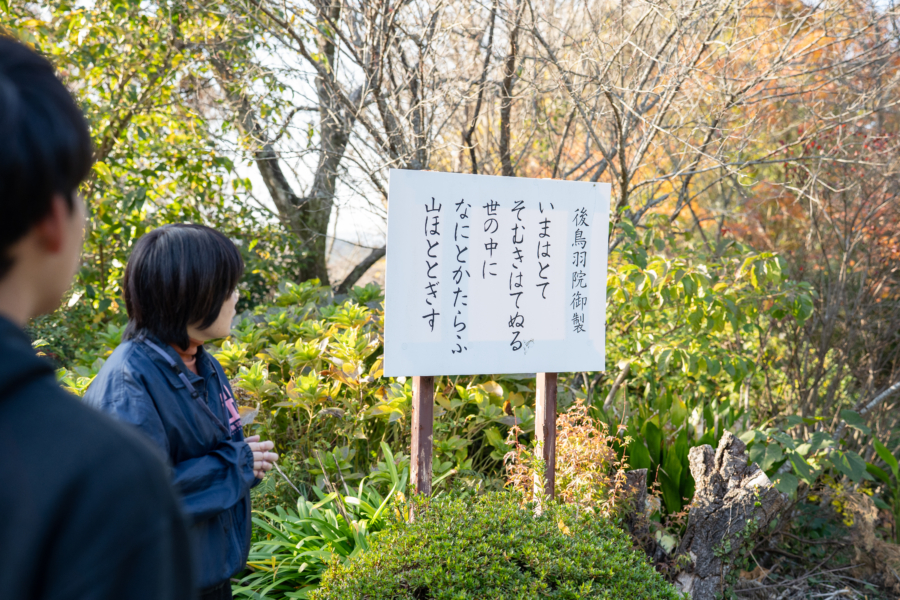
Around Oki Shrine, sites connected to the Emperor remain quietly scattered — the former site of his residence, Katsuta Pond mentioned in his poems. One wonders what he saw and felt here, far from Kyoto. What sky did he gaze upon as he composed his verses? In the crisp autumn air, such thoughts gently enter the heart. History is not merely something confined to textbooks; it is the accumulation of lives once truly lived here.
Although Mr. Sakakibara now speaks passionately about the island through poetry, his gaze was not always turned toward it. He left to study classical Japanese literature in Nara and only later returned to Ama Town, working at the Ama Town Emperor Gotoba-in Museum. Over twenty years have passed since he first became involved with the museum and later Oki Ōfūsha.
“When I first came back, to be honest, I didn’t really like my hometown,” he admits.
Perhaps after seeing the outside world, the island’s quietness once seemed dull. But through studying and explaining Emperor Go-Toba’s poems, something changed.
“When I began viewing the island through his poetry, it appeared incredibly beautiful. The way autumn dew sparkles, the way distant islands fade softly into spring haze — I felt as if I had been taught that this scenery has always been beautiful.”
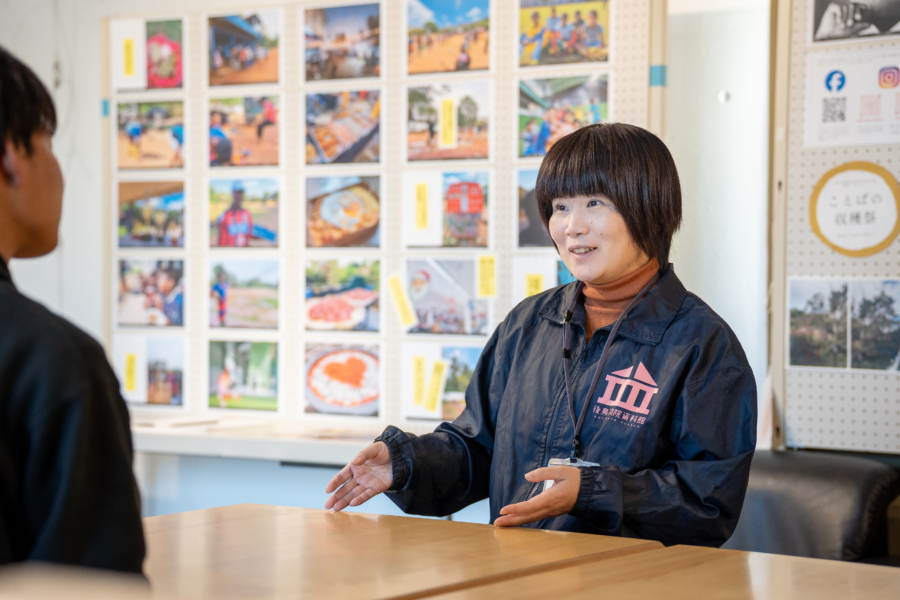
The landscape had not changed — only the way it was seen.
There is another reason he grew to love poetry. Years ago, he wrote novels and posted them on social media. Encouraged by readers, he felt both joy and mounting pressure to produce ever-better work. Eventually, exhausted, he deleted his account. Tanka became his salvation.
“Finishing a long story can be painful. But tanka is only thirty-one syllables. There’s no such thing as ‘unfinished.’ However small or imperfect the feeling, once it fits within thirty-one sounds, it becomes a complete work.”
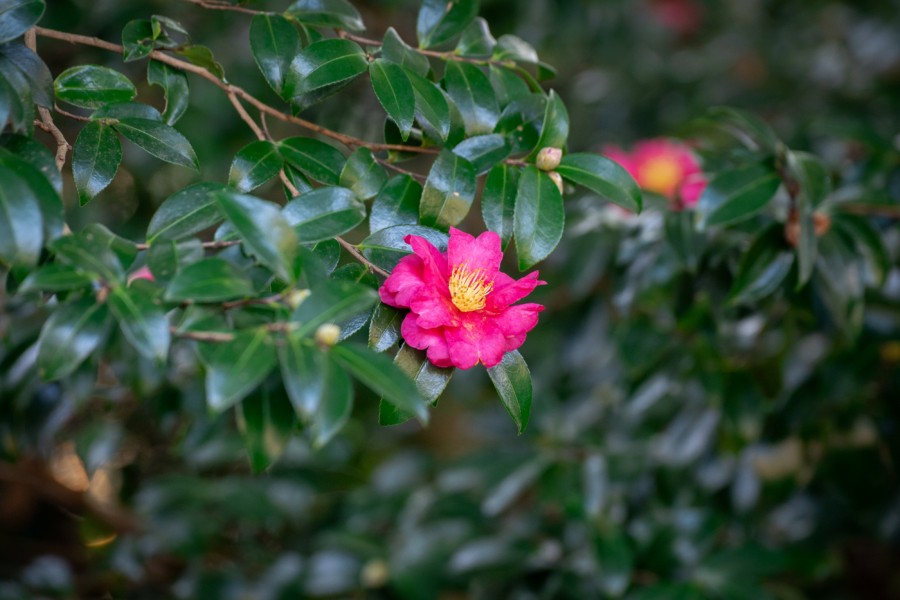
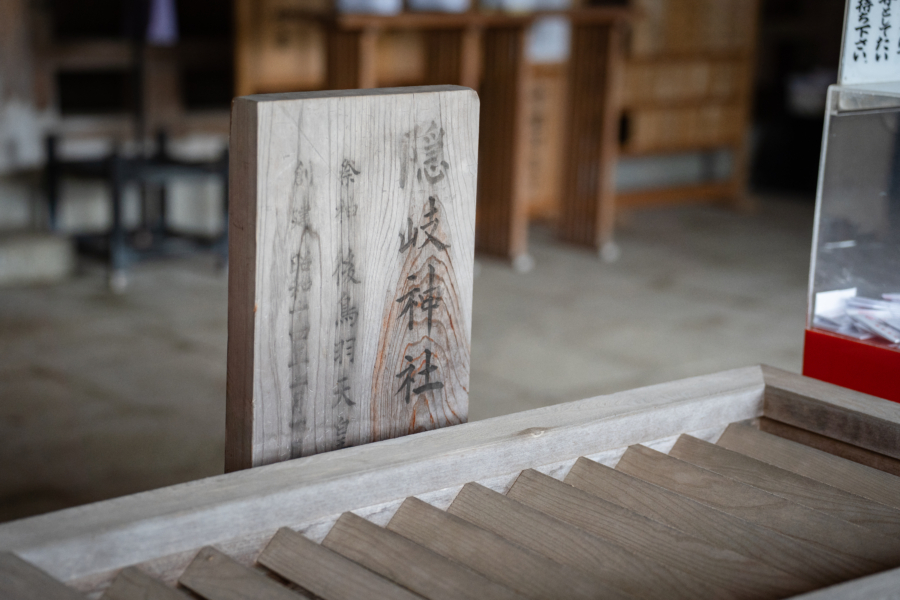
Because of this experience, he never treats composing poetry as something overly lofty. Words need not be forced; sometimes they are gently offered by the landscape itself. Simply stand before nature and history, notice the small stir within your heart, and gather it into thirty-one syllables.
Why not embark on a journey of words in Ama Town, where history and nature breathe together? Perhaps the island breeze will gently guide your first step.
My Favorite
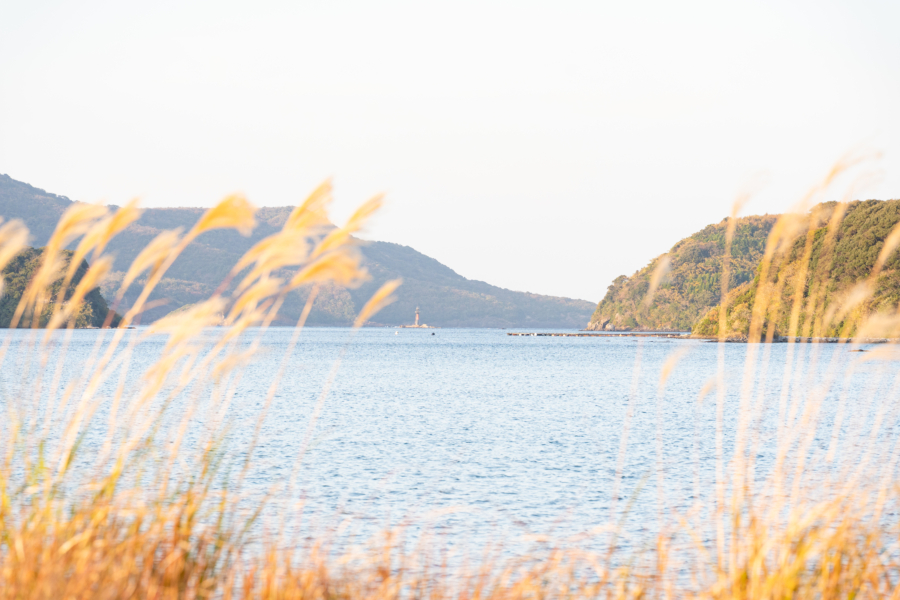
Near Hishoura Port, at the Y-shaped intersection with the island’s only traffic signal, lies a quiet bay that I love dearly. It is not a famous tourist spot. Yet whenever I stand there, Poem No. 32 of the “One Hundred Poems from a Distant Island” comes vividly to mind:
As I cool myself in the evening breeze,
the reeds along the shore sway in the waves;
fireflies gather among them,
and offshore,
the fishing lights multiply.
Though much of the area has since been reclaimed, the sea once reached closer, and reeds likely spread across the shore. Standing here, one feels the mysterious sensation of gazing upon the same scene Emperor Go-Toba saw 800 years ago.